-
-
Kaklik Mahallesi Ahi Evren Caddesi Denizli Deri İhtisas OSB No: 13 Post Code 20330 Honaz /Denizli/Turkiye


How to identify high-quality sole leather?
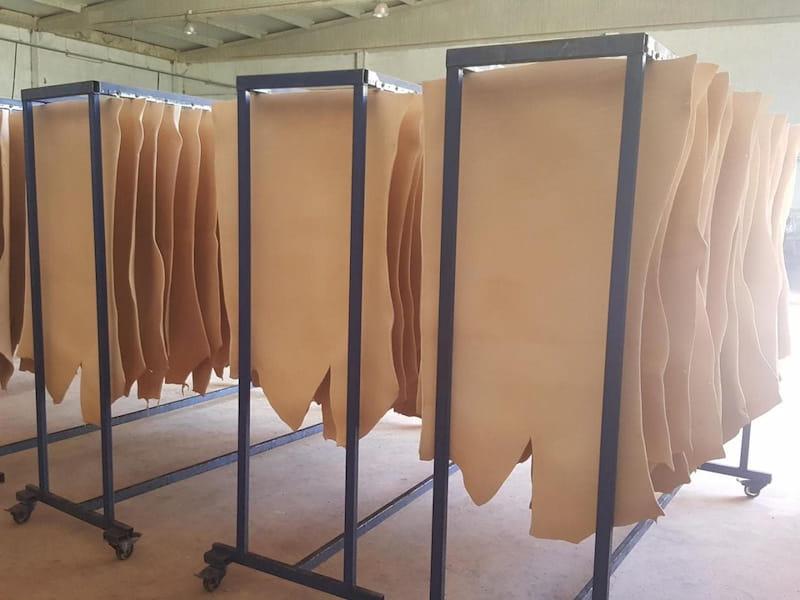
How to identify high-quality sole leather?
How to Identify High-Quality Sole Leather? A Master’s Guide
In the world of premium footwear, the soul of a shoe lies in its sole. High-quality sole leather is not just a material; it’s the result of patience, tradition, and natural science. But how can you distinguish genuine, long-lasting sole leather from mass-produced alternatives?
1. The Tanning Process: The "Slow" Secret
The most critical factor is the tanning method. High-quality sole leather is always Vegetable Tanned.
- Why it matters: Unlike quick chemical processes, traditional vegetable tanning (using natural extracts like chestnut and mimosa) takes weeks. At Irimagzi, we extend this process to 2-3 weeks to ensure the fibers are fully saturated, resulting in superior density and water resistance.
2. Fiber Density and Firmness
When you touch high-quality leather, it should feel firm, not spongy.
- The Test: Try to press your fingernail into the surface. Premium sole leather should resist indentation. High fiber density means the sole will wear down slowly and maintain its shape over years of use.
3. The "Ring" Test (Sound)
A traditional way to identify well-tanned sole leather is by its sound.
- The Test: When you tap two pieces of high-quality sole leather together, they should produce a clear, metallic "ring" rather than a dull thud. This resonance is a hallmark of a compact, well-dried, and perfectly tanned hide.
4. Natural Grain and Color
Look closely at the surface. Genuine high-quality leather retains its natural grain.
- Visual Cue: It should have a rich, consistent tan color throughout its thickness. If the edges look pale or "blue" in the middle, it indicates incomplete tanning.
5. Flexibility Without Cracking
While sole leather must be firm, it shouldn't be brittle.
- The Balance: Premium leather offers a degree of natural flexibility that adapts to the wearer’s gait without cracking or losing its structural integrity.